The Grief that Grows Between Home and Self
In the last year, nothing in my life has remained the same. The world, as I knew it, has vanished. While I have not lost a dear one, a job, savings, or a relationship, I have lost everything that once felt familiar.
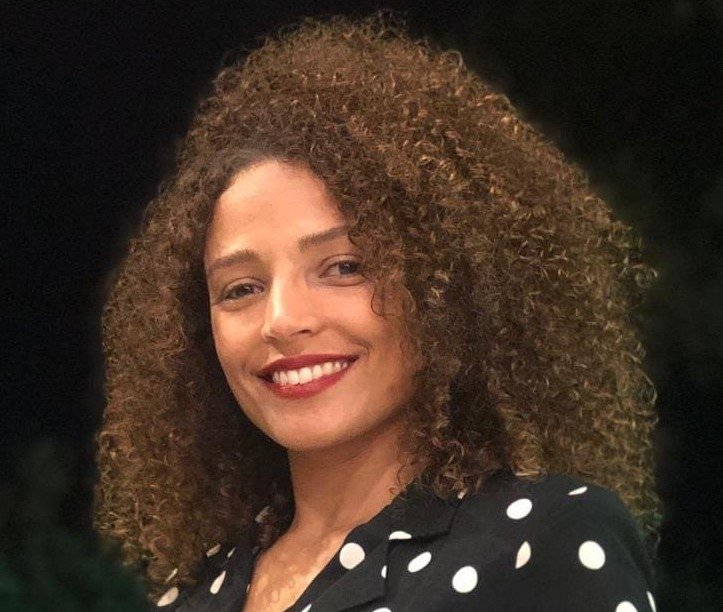
I carry this loss with me as a public health professional and a nurse who recently made the move from Beirut, Lebanon all the way to Halifax, Nova Scotia in Canada. I have been shaped by eight years of work in palliative care, through which I’ve come to have a deep connection with grief and the human experience of loss. Stepping into my fourth decade of life, I’m finding meaning and refuge in soulful relationships, yoga, animals, and in exploring the deeper spiritual and psychological aspects of life. Much of my journey has been shaped by inner work and the Buddhist teachings of Pema Chödrön.
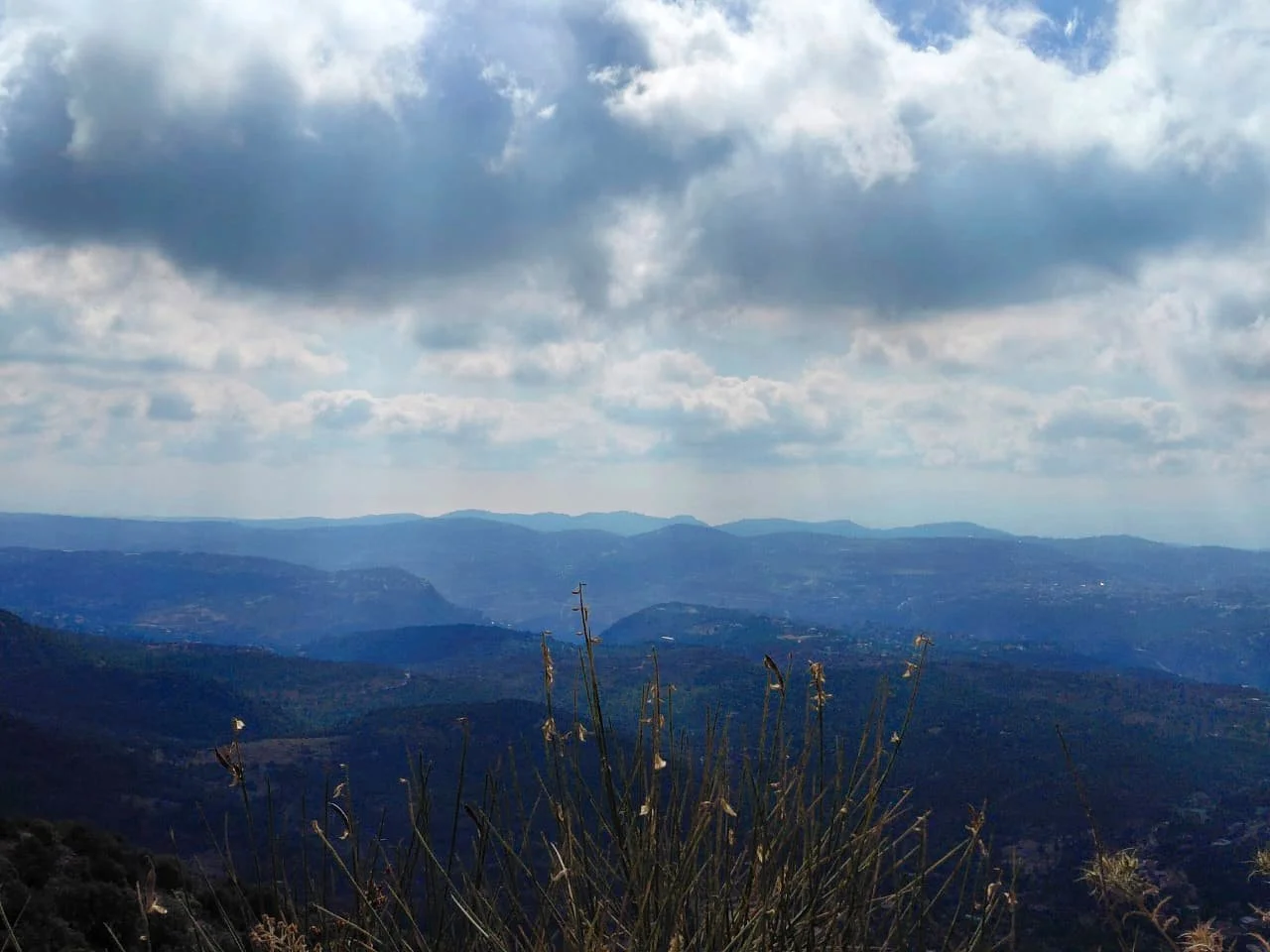
I left my home in Beirut a few months ago, forced by both personal reasons and the instability that has come to define life in Lebanon. I decided to leave because of the wars, chaos, and a growing loss of faith in our ability and willingness to build a sovereign state. My nervous system was exhausted: the country no longer resembled the Lebanon I once loved and recognized. Hope – for growth, for opportunity, stability, sovereignty and for a future – has slipped away. I left in search of something I could no longer find at home – building a life, a sense of home and a future. I left knowing there would be no place on earth that I will love as much as I love Lebanon. But change at home seems too unattainable and the future looks bleak. So, I decided to give myself both a break and a chance to start over somewhere more decent and peaceful. At least, that was what I convinced myself to believe. I knew leaving home would not be easy; it was not the first time I had left, but I believed it would probably be okay.
Soon after I arrived in Halifax, the heaviness of loss began to sink in. It was the grief of ‘no land’: of a lost home and a fading identity. I found myself in a place far removed from home, knowing no one and questioning the reason I had come here. Grief sat like a hollow vacuum, quietly consuming my sense of belonging and watching my identity slowly disintegrate. It felt as if I never existed, as if all that I have done in my life suddenly meant nothing. Walking through the beautiful streets of Halifax, I felt like a stranger: no one recognized me or knew who I was. And suddenly all the thoughts, dreams, and energy that had brought me here disappeared.
Until I started writing this reflection, I thought I had already endured enough loss. Yet, as I write these sentences, the grief of a homeland lost to war sits on top of it all. It has been six weeks of brutal bombing since I began writing these lines. Despite living through the 2024 war, and several other wars before, watching a war from abroad hits differently. I thought it might be less intense: I am far away, theoretically safe, in a different time zone, building a new life, preparing for my marriage. Yet these are exactly the same reasons it feels harder to swallow. Through the media, I watch people flee their homes and lands, broken, exhausted, helpless, and numb. Lives have been lost, everything is being destroyed, hope is fading in real time; the thought of losing even a meter of my land shatters my heart. I found myself crying every night, grieving the loss of a home for the second time, the home from which I was displaced just a few months earlier.
Reconciling a new identity is much harder than I imagined. So many questions come to mind. Is it possible to live fully while present in two different worlds? How do you exist when you feel neither here nor there? How do you deal with the guilt of letting go of parts of yourself that once defined you? I don’t have any answers to these questions yet. But I do know that I have no choice but to learn to live beyond what once defined me and to build new ways to exist and navigate this new life. I find myself slowly stepping into the uncertainty of liminal space where my old identity can no longer exist, yet the new one has not fully formed. It has been dark, uncertain and often lonely in this space. I am learning to sit with this grief, to witness it without trying to outrun it. I am still at the beginning of this journey. What I am beginning to understand is that grieving home and the self that belonged to it is a deeply complex and raw form of loss. It lingers quietly, shaping everything beneath the surface. Yet, there is no way around this pain, only through it. And perhaps in time it becomes something else – not lighter but maybe more livable, no longer breaking me but slowly transforming me.